
EPISODE 83: EARLY YEARS | TODDLERHOOD

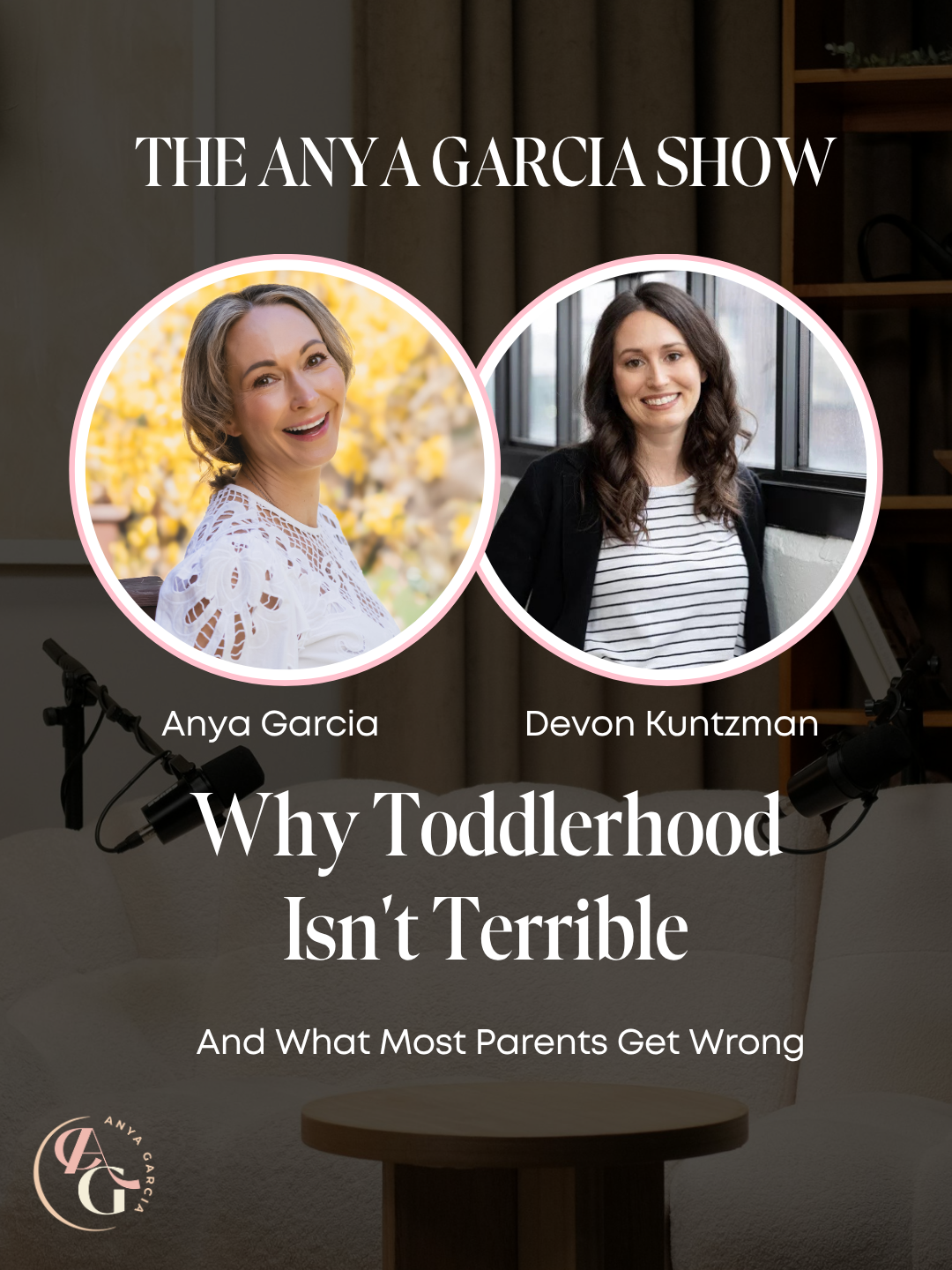
The Biggest Toddler Myth Most Parents Still Believe | with Devon Kuntzman

May 28, 2026

Learn why toddlerhood isn't terrible. Devon Kuntzman debunks common tantrum myths and shares practical parenting strategies that help families thrive.
Write your awesome label here.
Struggling with toddler tantrums? In this episode, Devon Kuntzman, author of Transforming Toddlerhood, debunks the biggest toddler tantrum myth that keeps parents stuck in frustration and confusion.

Learn what tantrums really mean, how to respond calmly, and practical strategies that help build connection, cooperation, and confidence.
A SELF-DIAGNOSTIC CHECKLIST

The Toddler Behavior Decoder

Most moms think tantrums are random. They are not. They are the end of a buildup that started hours before the meltdown

For Full Experience 

Write your awesome label here.

Click play to watch on YouTube.

"Tantrums are not problems to fix: they are opportunities for learning and growth."

In this episode, you'll learn:

  • Why traditional discipline often fails and what to do instead.
  • How to handle tantrums without escalating the situation.
  • The secret to smoother transitions and fewer daily battles.

"Your toddler is not bad. And toddlerhood isn't terrible: it's developmental."

— Devon Kuntzman
Behavior is neither good nor bad: it's communication. Every tantrum, meltdown, or act of resistance is your child's way of trying to tell you something bigger about their needs, emotions, or developmental stage.

Five Small Shifts To Try:

You don't need to overhaul your parenting overnight. Sometimes the biggest changes come from small shifts in perspective. Here are five simple ideas inspired by this conversation that you can start practicing today.

Narrate what’s happening instead of rushing to stop it.

The next time your child gets upset, try describing what you see: "You really wanted another turn," or "You're disappointed it's time to leave." Feeling understood can often de-escalate emotions faster than explanations or lectures.

Give a transition warning before changing activities.

Whether it's leaving the playground, ending screen time, or heading to bed, give your child a heads-up and help them finish what they're doing. Predictability reduces resistance.

Look for the need behind the behavior.

Before reacting, ask yourself: Are they hungry? Tired? Overstimulated? Seeking connection? Sometimes the fastest way to solve a behavior challenge is to address the need underneath it.

Acknowledge small moments of self-control.

When your child makes even a tiny positive choice, acknowledge it. "You were really upset, and you kept your hands to yourself." Small moments of recognition help build bigger skills over time.

Focus on repair, not perfection.

If you lose your patience or respond in a way you're not proud of, don't get stuck in guilt. Model what repair looks like: apologize, reconnect, and move forward. Your child doesn't need a perfect parent—they need a parent who keeps showing up.

"Parenting is a marathon, not a sprint."

— Devon Kuntzman
Parenting isn't about winning today's battle or getting everything right in the moment. It's about showing up consistently, building trust over time, and focusing on the long game.
5 Takeaways From This Episode:

1️⃣ Toddlerhood isn't terrible; it's developmental.

Toddlerhood is a critical stage of growth where children are learning independence, identity, and autonomy—not trying to make your life difficult.

2️⃣ All behavior is communication.

Tantrums, hitting, biting, and resistance are often signals of unmet needs, big emotions, or undeveloped skills—not bad behavior.

3️⃣ Connection comes before correction.

Children are more likely to cooperate when they feel seen, heard, and understood. Connection helps diffuse emotions and reduces power struggles.

 4️⃣ Teach skills when the brain is primed to learn.

 Emotional regulation is built through practice during calm moments, not in the middle of a meltdown.

5️⃣   Progress matters more than perfection.

Parenting isn't about getting it right every time. Growth happens through consistency, repair, and learning alongside your child.
Debunking a Myth

Your child should listen the first time.

— Devon Kuntzman
Toddlers have very little impulse control. Even when they know what they're supposed to do, their emotions and developmental drives often outweigh their ability to stop themselves and comply immediately.

Listen On ...

Write your awesome label here.

 LISTENER PRAISE

Write your awesome label here.

"Such an easy, inspiring listen—uplifting tips, practical advice, and so relatable that you feel truly connected."

Why Listeners Keep Tuning In

Love this! Thank you for this episode Anya! l appreciate the tips for how to encourage creativity. I love the idea of using hands-on learning and experimentation, imagination, senses, asking open-ended questions, observing, offering freedom in choices, having them practice, problem-solve, and letting them fail!

Kayla Linares

Exactly What Homeschooling
Parents Need! This podcast is a breath of fresh air! Anya's passion is contagious. If you're looking for clarity, confidence, and connection in your homeschooling journey-this is the podcast for you!

Anastasia Larsson

Wow, this is amazing! I loved hearing this — it’s so true. Creativity really does get snuffed out as we grow older unless we actively work to preserve, protect, nourish, and let it flourish.

Melanie Beers-Quinn

SUBSCRIBE & REVIEW

If you loved this episode, please take a moment to subscribe to the Anya Garcia Show and leave a review on Apple Podcast! Your support helps us reach more parents like you who need these insights. 

Here’s how: Click here, scroll to the bottom, tap five stars, and select “Write a Review.” Tell me what resonated most—I love hearing your biggest takeaways!

Thanks for tuning in and I will see you next week!

Meet Anya

Winner of the 2025 Global Women Changing the World in Education Award and named the #1 Key Early Learning Influencer in North America, Anya Garcia helps you parent with purpose and live with intention.


After walking away from a high-powered legal career, she entered her true calling—shining the light on the early years, a period rich with potential, transformation, and often-overlooked power.

Blending neuroscience, evolutionary insight, and practical strategies, Anya helps children thrive and adults evolve. You will find mindset-shifting tools and science-backed insights to inspire lasting change. 

This Show is where mindset meets motherhood, education meets empowerment, and transformation begins now—one child, one parent at a time.

Get the Goodness First

Subscribe To Our Newsletter

Be the first to hear about new episodes, freebies, & updates — your info is safe and sound with us.
Thank you! You are officially an Insider!
Write your awesome label here.

Created with